Talk Shop: Alex Spielman // The Little Things
ABOUT ALEX
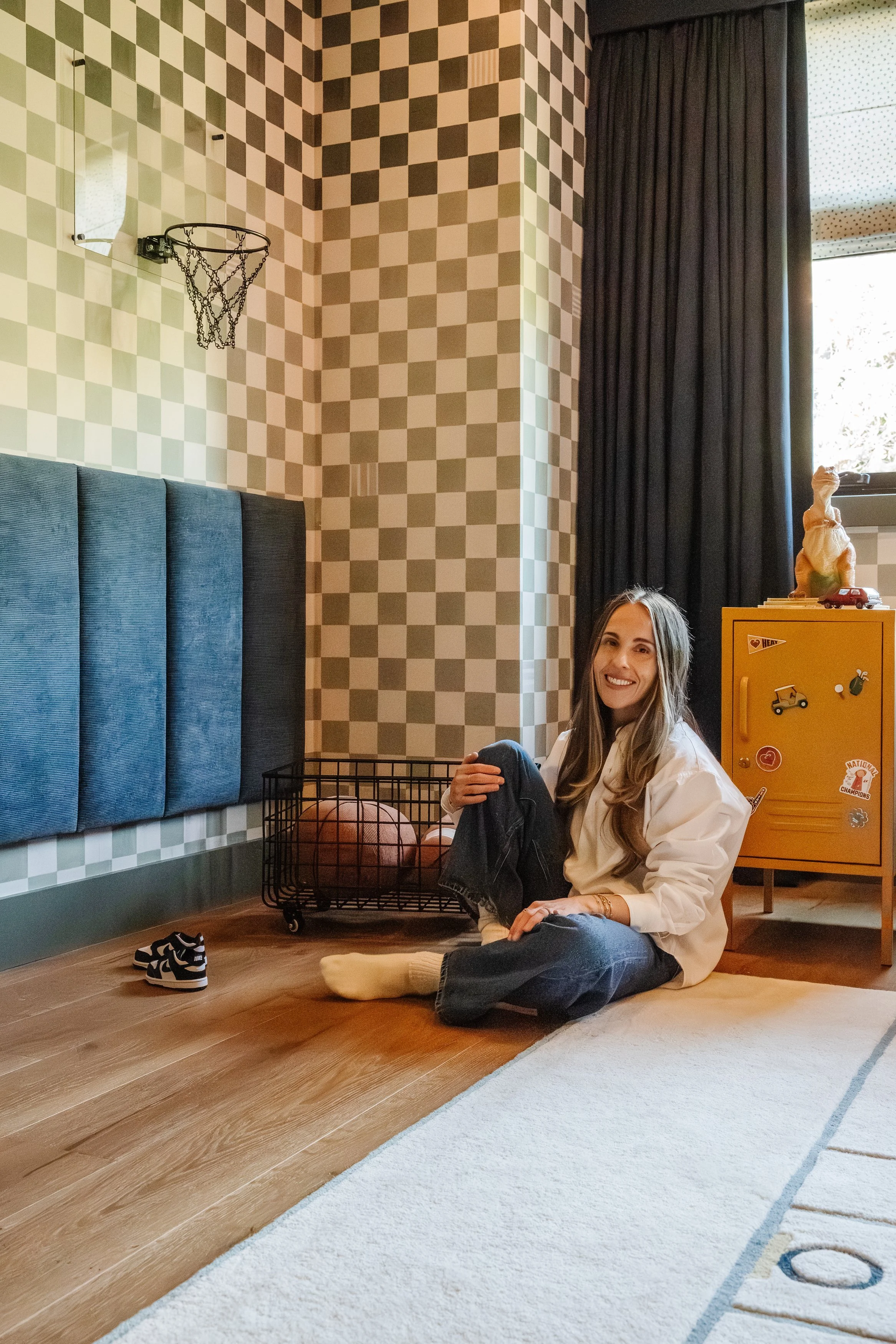
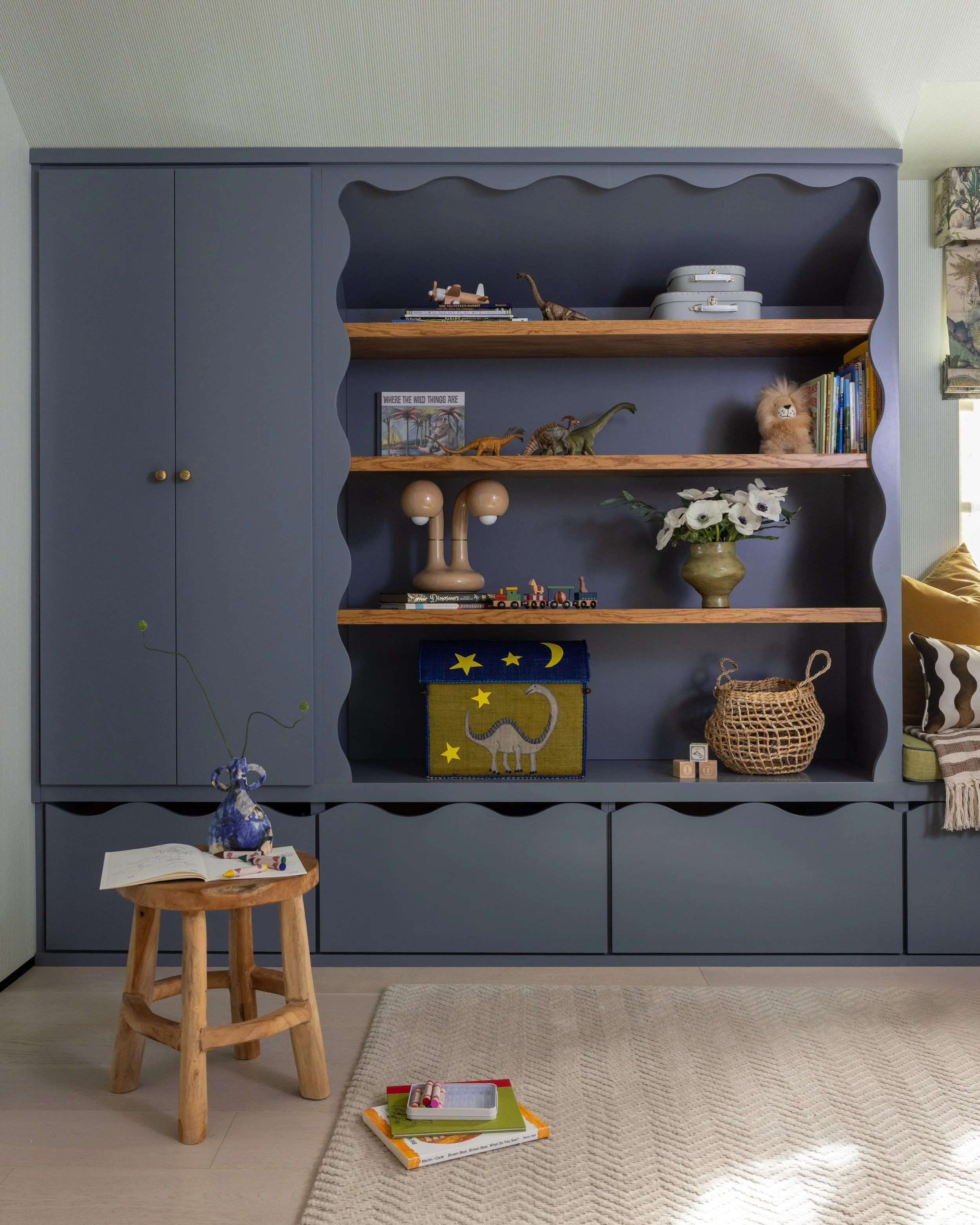
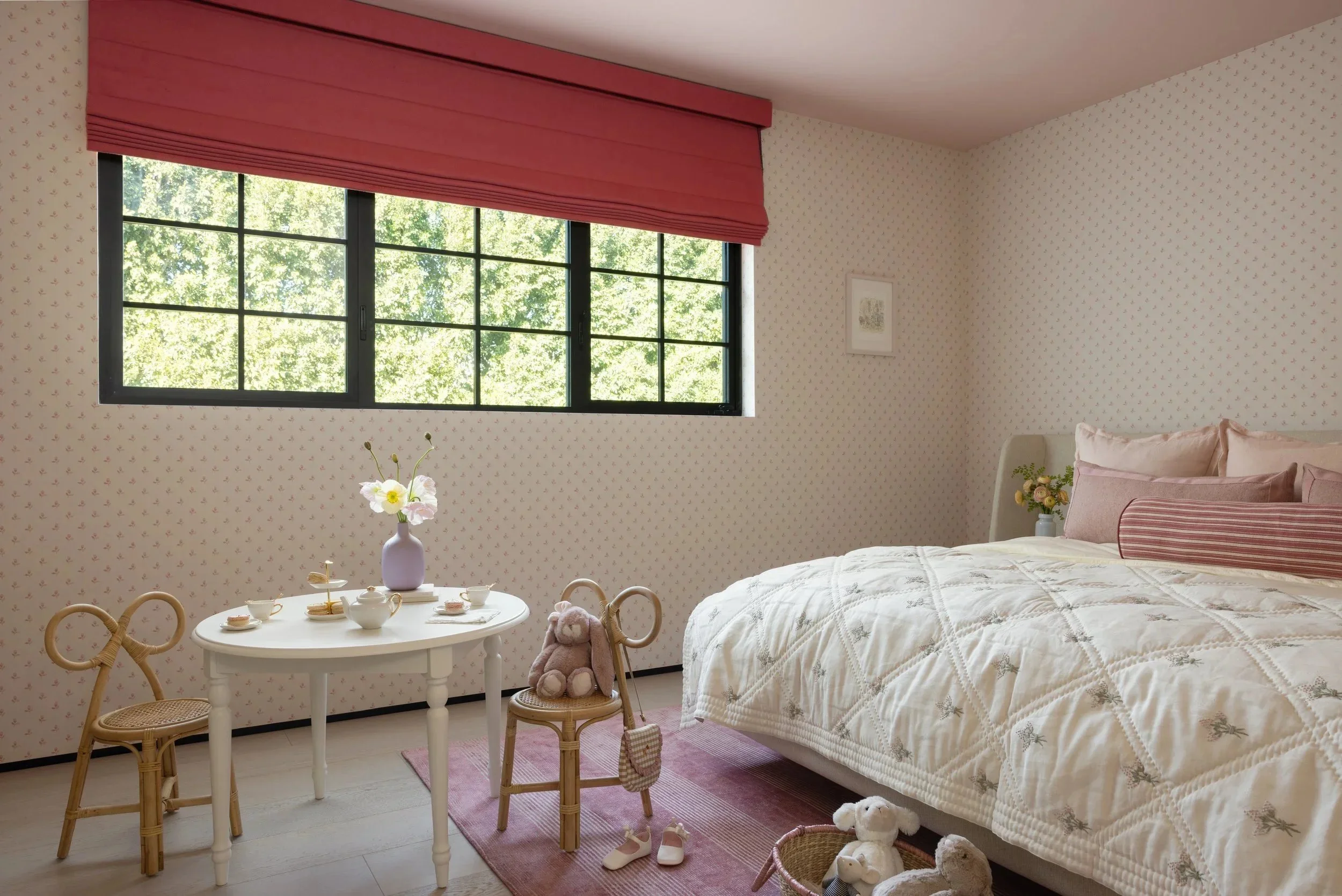
Alex Spielman is the founder and principal designer of The Little Things, a Los Angeles–based design studio devoted to creating thoughtful, joy-filled homes for modern families. Inspired by life with her own children, Alex launched the studio with a simple philosophy: it’s often the smallest details that shape how a home truly feels.
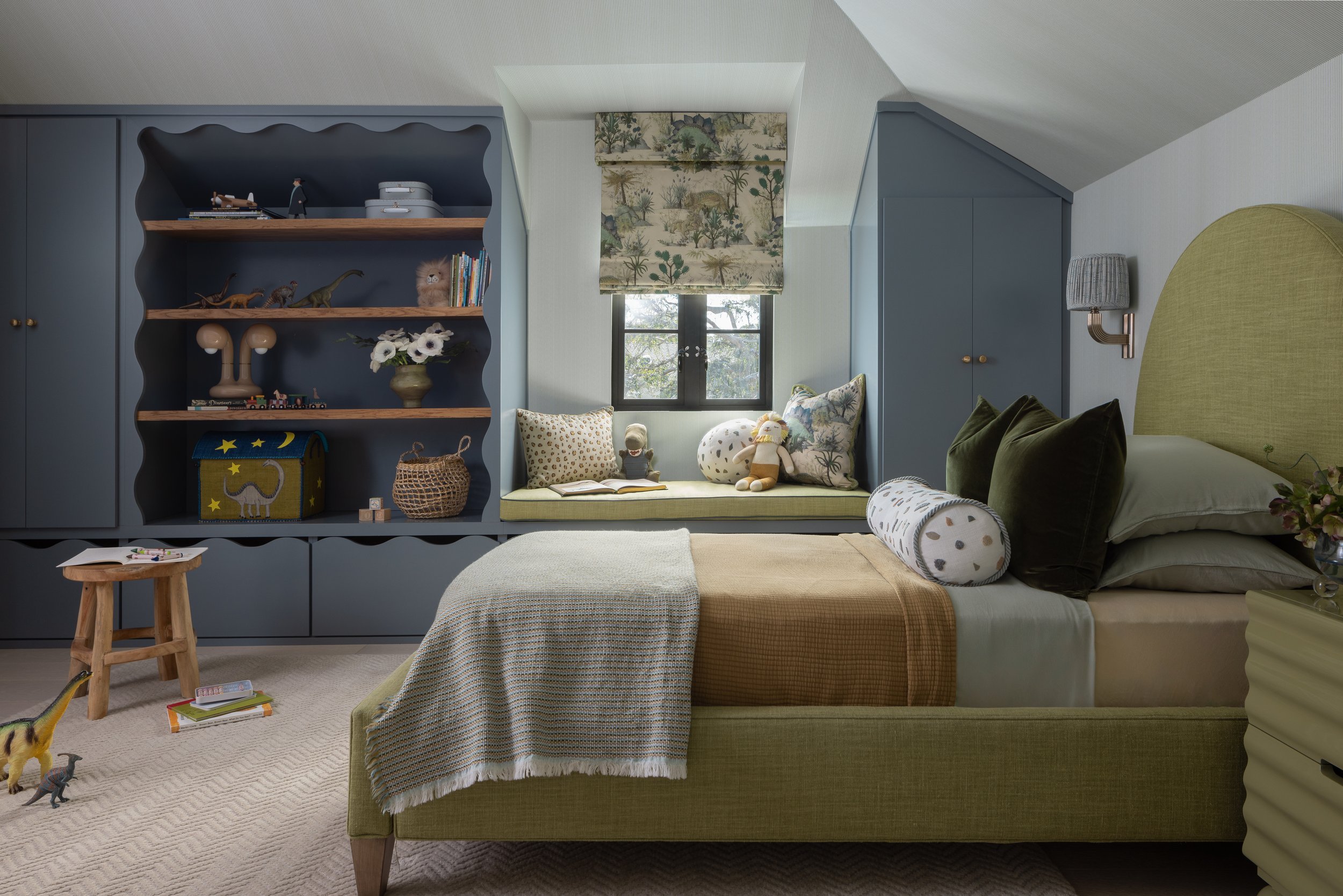
With a background rooted in thoughtful styling and a deeply personal approach to design, Alex brings a curated yet relaxed sensibility to every project. Her work balances beauty with practicality, layering timeless pieces, meaningful objects, and playful moments that allow spaces to feel both polished and deeply lived-in. She is particularly known for creating children’s rooms and nurseries that feel as elevated and intentional as the rest of the home—proving that spaces designed for little ones can be both whimsical and sophisticated.
At its heart, The Little Things is about designing homes that grow gracefully alongside the families who live in them. Through thoughtful details, smart functionality, and a keen eye for composition, Alex creates interiors that feel warm, personal, and full of life.
Describe your style in three words or less:
Layered, intentional, quietly whimsical.
What have been the three biggest influences on your aesthetic in your life:
My own childhood memories—not in literal references, but in small observations. My dad is an architect, and I remember watching him quietly position how a picture should hang, or walking through Fallingwater as a child and realizing a space can make you feel something before you understand why. I didn’t recognize it then, but those moments were quietly shaping how I see the world.
Objects with history. I am drawn to pieces that feel like they’ve lived a life before entering someone’s home. I’d rather find something unexpectedly beautiful at a small estate sale than source something new just because it's trending. If an object makes you wonder where it came from or who loved it before, it probably belongs in the room.
How my family—and others—actually live. Having little kids at home changed how I think about design more than any training ever could. I notice the small, practical things I wish our own home had, or didn’t have, and I take that insight into every project. When I work with a family, I pay close attention to how they move through their days—where they drop their bags, how bedtime looks, which corners they naturally gather in. I want to know not just how they use their home, but how they wish it worked for them. Beauty matters, but for me, good design supports real life first.
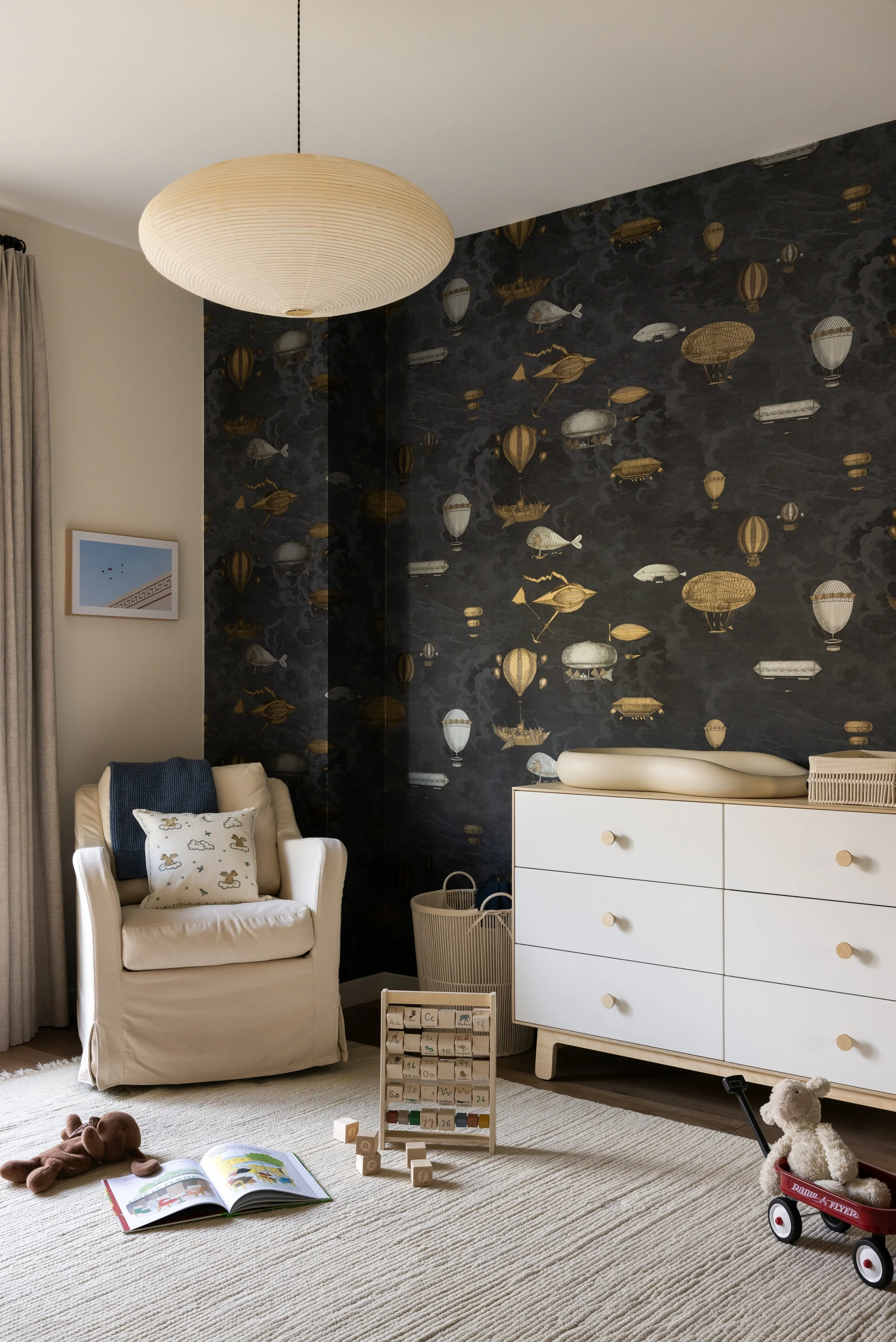
Photo by Alex Zarour
How did you start your company, and what is your favorite thing about what you do:
I started The Little Things after designing my daughter’s nursery and realizing there was a gap in the market—children’s rooms were often treated as an afterthought, even in beautifully designed homes. I also noticed that internationally, children’s design was much more considered; there were incredible pieces available globally, yet many rooms here felt like they came straight from a catalog. I wanted to show families what was possible beyond what they were seeing locally.
Parents care more about their children than anything, so those spaces deserved the same—if not more—design intention as the rest of the home. I fell in love with designing those early rooms—I would stay up late creating design boards simply because I loved it. I began seeking out families in different neighborhoods and communities who I could help, even taking on unpaid projects to learn, make mistakes, and build a foundation. I did that while working an extremely demanding job in tech, which shaped how I approach design today: creative but highly structured, detail-obsessed yet operational. That balance is a big part of why clients choose to work with us.
We began by applying that level of intention to children’s rooms, and once families saw how it changed the way their children interacted with the space, they asked us to bring that same approach to the rest of their home. We’re still often introduced through a child’s room, but the projects almost always grow from there.
My favorite part of what we do is seeing how good design changes the way families live, when bedtime is easier because there’s a sofa that actually fits everyone. When a child proudly asks to show someone their room. When a playroom becomes more than a dumping ground for toys and instead supports how they learn, play, and grow. It’s always those seemingly small shifts that change the way a family moves through their day — when the little things become the big things.
Do you have a mentor in your career, and if so, how have they helped to shape your trajectory:
I’ve never had one formal mentor, but I’ve learned so much from the people around me. My dad isn’t someone I’d call a mentor in the traditional sense, but he shaped me as a designer more than anyone. He has an uncanny ability to notice when something is even slightly off-level, and growing up around that instinct trained my eye. I can rival even the most precise picture hangers—and put together a bed if needed. That awareness of “almost right versus right” has stayed with me.
I’ve also learned a great deal from designers who have been generous enough to share how they’ve built their studios. Some of the most valuable lessons have come from candid conversations—the kind where someone openly shares what worked, what didn’t, and what they’d do differently. I’ve always approached mentorship through curiosity: I look at people doing something well, ask questions, and adapt what resonates in a way that feels true to me. I don’t think mentorship has to be formal; often it lives in the willingness to share honestly.
P.S. Whoever planned the annual Take Your Daughter to Work Day at Perkins & Will really deserved a promotion!
What does your home say about you:
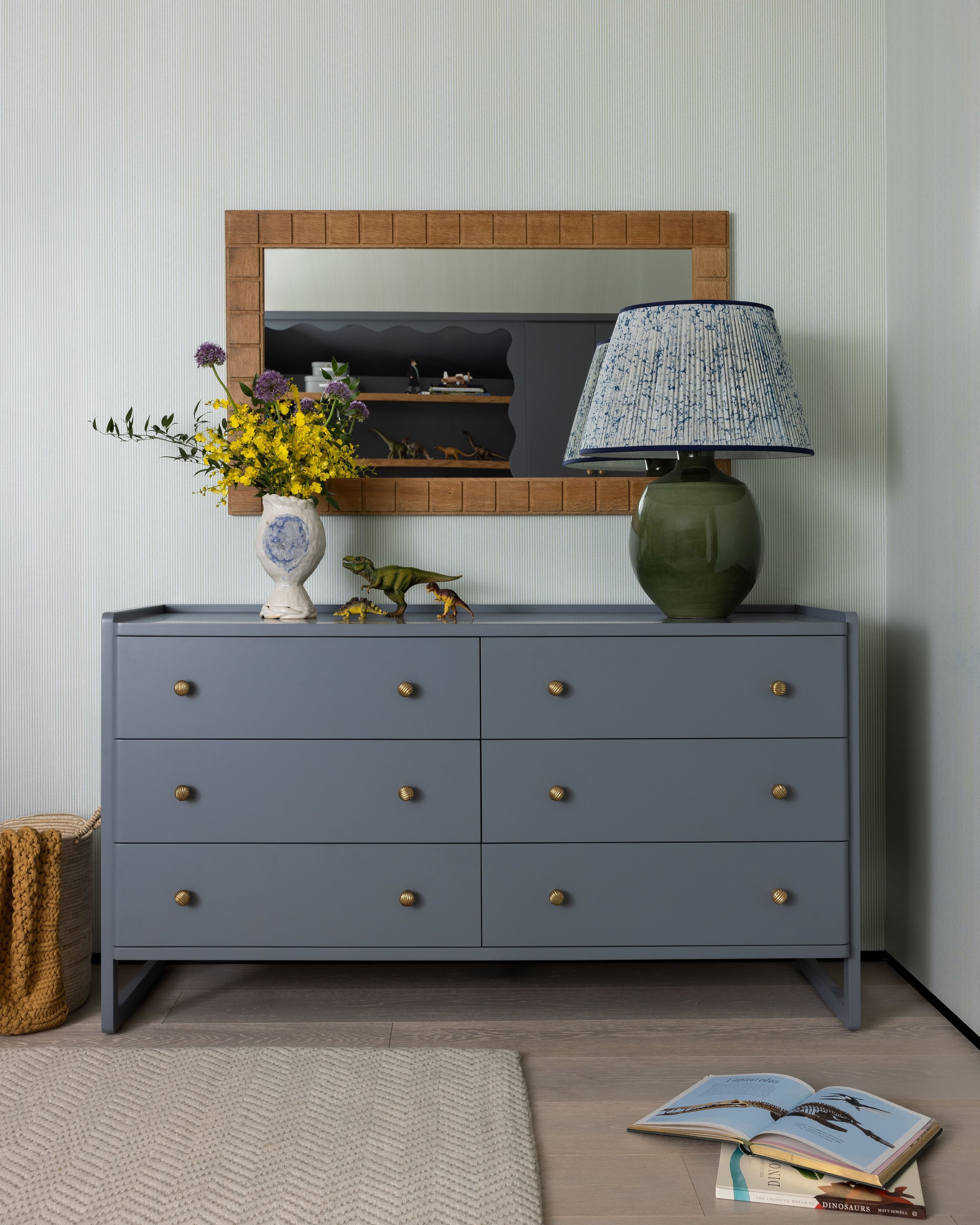
My home says I’m a mom with two kids under five, running a business, and making design decisions for everyone else 24/7. It’s layered and full of character, but it’s still evolving—like most of the families I design for. One of my goals this year is to carve out time to focus on my own spaces the way I do for my clients.
It also quietly hints at my obsessions: vintage children’s books, old wooden toys, heirloom textiles, and antique pieces with stories behind them. (That might be what my garage says about me, even more than my house.)
Where do you find inspiration:
I’m most inspired by tangible things—textiles, murals, rugs, antique pieces. Often, I’ll see something while sourcing, and it will trigger a concept for the space. That’s why I like to pull materials in person instead of relying on imagery or samples being delivered. There’s something about being at the design center, walking the wings myself, and being hands-on with materials—seeing patterns and colors and imagining the story of the space—that often sparks my best ideas. Even though I’ve been through it hundreds of times, I still find something new.
And of course, travel plays a big role. I’m not traveling internationally as much in this season of life with young kids, but whenever I’m in a new city, I approach it the same way: I look at the architecture, visit local antique dealers, and try to understand what feels natural to that place. My travel tip is to find one shop that really resonates, and then ask them for their local recommendations. That’s usually where the best discoveries happen.
Who are your style icons:
I don’t really have traditional style icons. I’m more drawn to people who feel comfortable in what they wear rather than those trying to make a statement. I work with a stylist who helps refine what already feels like me—not reinvent it—and I really admire that approach: quiet confidence over loud perfection. I tend to notice the people who move through the world thoughtfully—when an outfit feels effortless but still considered. And, honestly, children can be style icons in their own way. The way my daughters mix patterns without hesitation reminds me that instinct often leads the way if you let it
What are your key ingredients for entertaining:
I don’t host very often, but when I do, I approach it the same way I design—by focusing on how I want people to feel. It’s less about a perfect setup and more about small gestures: music on before they arrive, lights dimmed, something warm in the oven.
I try to think about who’s coming—what they like to eat, whether they prefer tea over wine—so it feels considered rather than styled. It doesn’t have to be elaborate; it just has to feel like someone thought about you.
Do you collect anything:
Vintage children’s books, old wooden toys, and textiles that I don’t always have a home for yet. I buy pieces that feel special and trust they’ll find their place eventually.
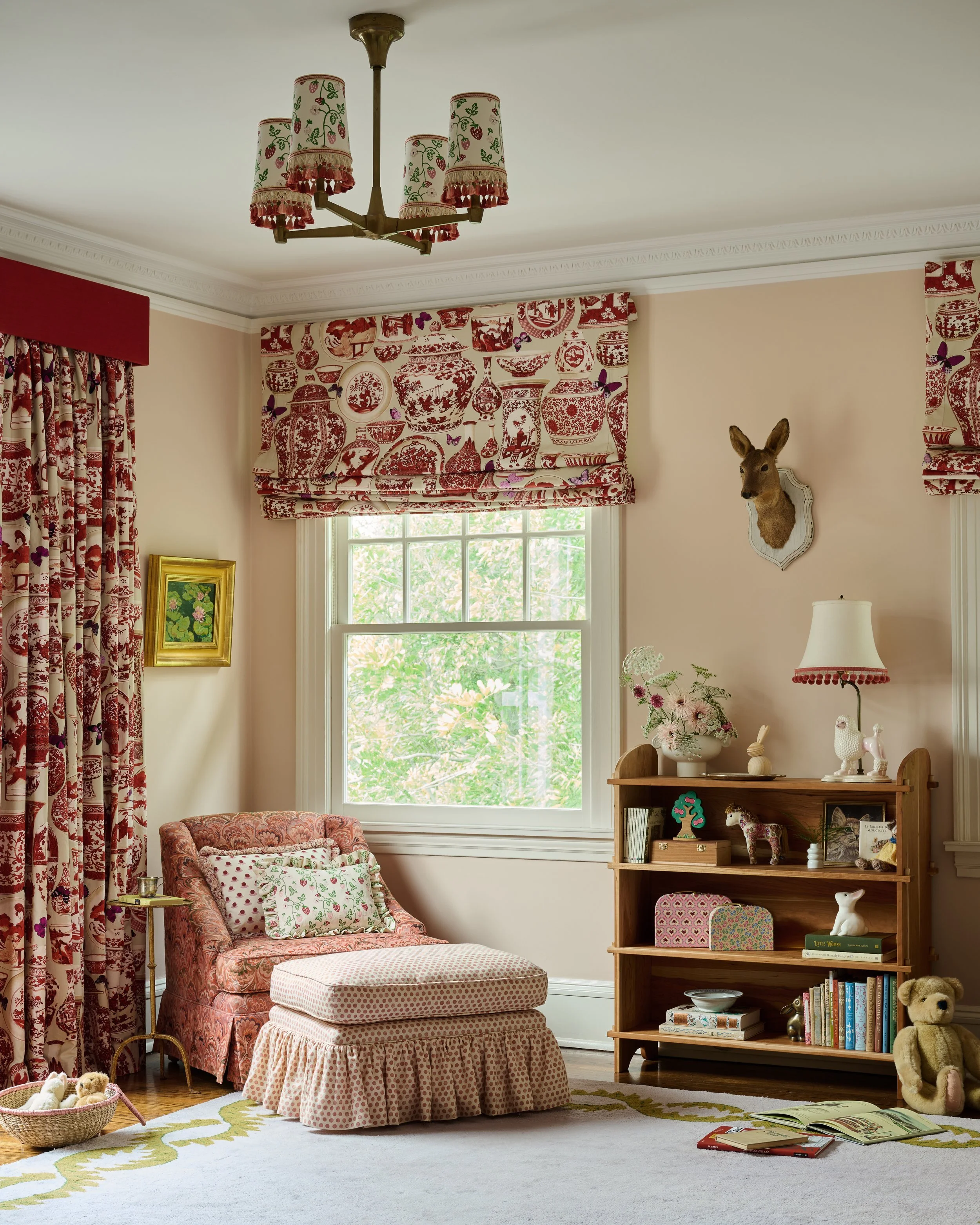
Photo by Lauren Taylor
Favorite Instagram accounts to follow for inspiration:
@fredericmagazine, @tessnewallstudio, @getthegusto, @alexander_widener, and @ottolenghi.
What design “rule” do you always follow, and which is made to be broken:
I always start with how the room needs to function on a regular Tuesday morning. If it doesn’t work for real life—storage, circulation, where someone drops their bag—it doesn’t matter how beautiful it is. Scale and flow are non-negotiable.
A rule I don’t believe in is that everything has to match. I’d rather mix pieces that tell a story, even if they weren’t meant to live together. And when it comes to children’s rooms, they don’t have to look childish. They can be whimsical without being themed, and they should evolve as quickly as the child does.
What are you working on right now:
We’re currently working on a mix of large-scale family homes and children’s spaces, which feels very reflective of where the studio is today. We’re designing a ground-up home in the Pacific Palisades, a cottage in Montecito, and a primary suite renovation that began with a child’s room and naturally expanded from there.
We’re also working on a nursery project overseas, which has been a rewarding challenge in logistics, sourcing, and cultural nuances. We’re also in a growth moment internally. I’ve been fortunate to build a small but incredible team—Emily has been my right hand for nearly a year, supporting our East Coast projects and helping drive the studio’s vision forward. This year, we’re bringing on our first full-time designer, which feels like an important step in where the studio is headed.
Wardrobe staples:
Great jeans, a really good T-shirt (I alternate between a fitted Flore Flore and a looser Leset), and a knit. I live in Jamie Haller loafers or flats—they're pretty much the only shoes I wear. Everything usually goes in a Boat and Tote. My style is laid back but polished, and I wear the same jewelry every day—I never take it off.
Best interior advice you ever received:
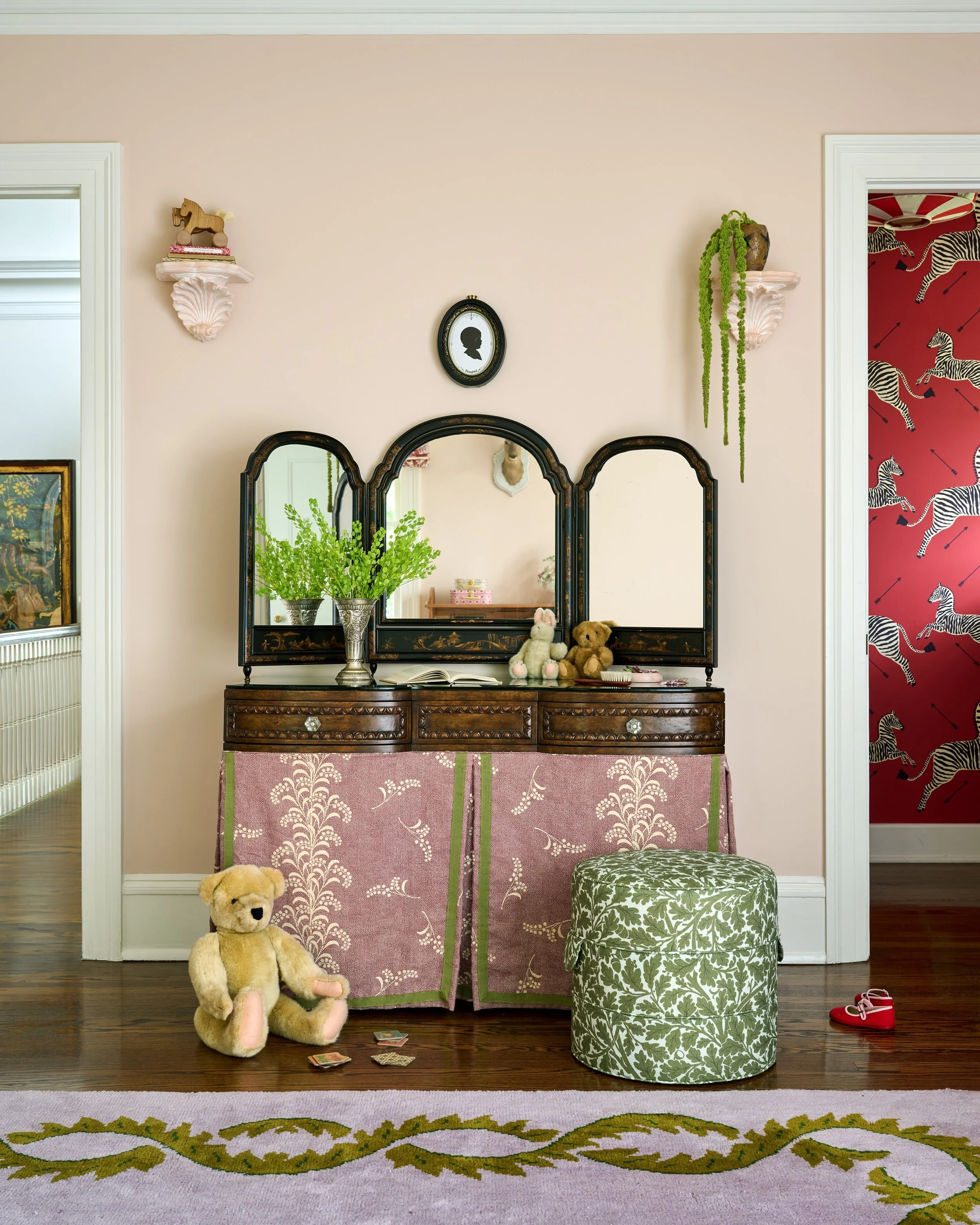
Photo by Lauren Taylor
Start with the floor plan. If the layout doesn’t work, no amount of beautiful choices will fix it.
Best career advice you ever received:
Only do what only you can do. I’m still learning how to apply it. I spent the early stages doing everything myself, and I’m just now at the point where I’m growing a team and actively trying to hand things off. My tech background taught me the value of systems and efficiency, but in design I’ve held on tightly because the work is so personal. I’m realizing that what I do best is understanding how a family lives and imagining what a space could become for them. That’s where I’m trying to spend more of my time—and let others support the rest. I’m not great at it yet, but I know my best work comes from being fully present in the creative part, so that’s where I’m focusing next.
Types of home purchases you invest in, and save on:
I invest in the pieces that need to work hard — custom millwork, upholstery, window treatments, and pillows. The things you use every day and that anchor the room. Trim, too. It’s small, but it changes everything.
I save on the pieces that get layered in over time. Most of my favorite accents came from antique stores, flea markets, or something I found on a trip. I’d rather collect slowly than decorate all at once — the best pieces usually find you when you’re not rushing.
Your greatest extravagance:
Definitely hotels when traveling. I’m a total homebody (a true Cancer), so if I’m going to leave my home, it has to be somewhere nicer. I’m drawn to places with incredible service and attention to detail—where it feels like someone has thought through the little things. I still remember staying at The Peninsula in Tokyo and finding that they’d wrapped my charger cord with a ribbon tied in a bow. I’ll never forget it.
I traveled a lot for work in tech before starting my business, so I got spoiled with great hotels early on. Now, even though I don’t get to travel as freely with young kids, when I do, I’ll choose the place that feels the most thoughtfully run. And I love when they introduce you to local vendors and artists—it’s such a fun way to explore a new place.
Favorite places to shop for home:
Antique stores and flea markets—I love finding pieces with history. I tend to buy from small vendors whenever I can, and I’ve discovered so many talented artisans through Instagram from all over the world. I also use Etsy quite a bit when I'm hunting for something a little unexpected.
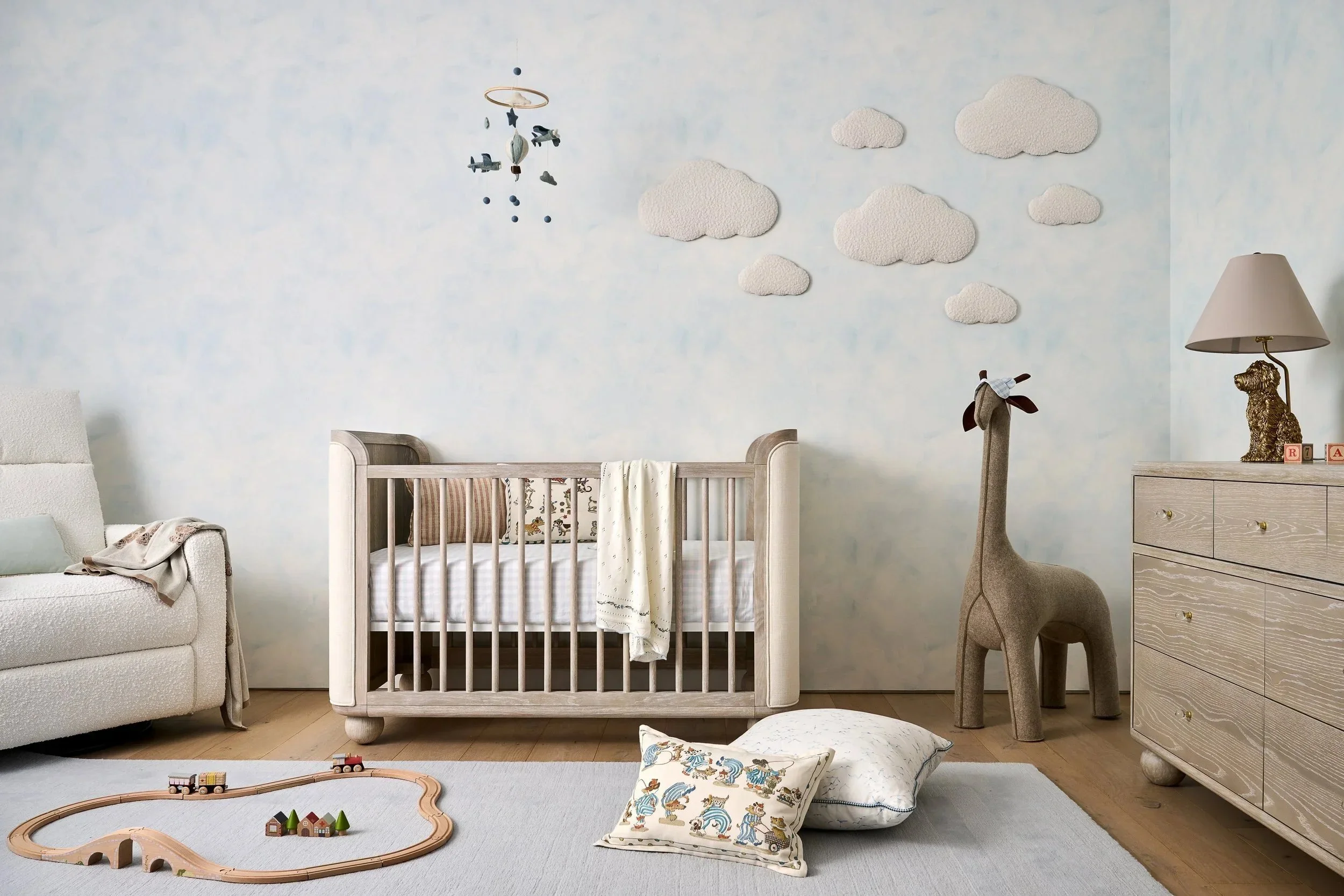
Photo by Lauren Taylor
Most prized possession and why:
The gold bracelets are engraved with my daughters’ names and birthdays. They were gifts when each of them was born, and I had matching ones made for myself. I wear them every day as part of my bracelet stack.
Your interiors motto:
Design with heart, but don’t forget function.
Your life motto:
The little things are the big things. It’s often the unprompted moments that stay with you—the way your child says “I love you” out of nowhere, a friend remembering you had a big meeting that day, or even a passing smile. Those are the moments that stay with you.
Advice for someone looking to define their own interior style:
Start by paying attention to what you’re naturally drawn to—not just in rooms, but in objects, colors, and how certain spaces make you feel. You don’t have to have it all figured out at once. Collect slowly, live with things, and notice what lasts versus what you get tired of. Style develops over time. Let instinct lead more than imitation.
Take Ten: My Favorite…
Food: Sushi
Drink: Honey Lemon Ginger tea
Film: Father of the Bride (though The Holiday is a close second)
Hotel: The Peninsula Tokyo (for the charger cord bow moment)
City: London
Bedding: Scandia Home — percale is my go-to since I sleep hot and love a crisp feel
Tea or Coffee (and how do you take it): Matcha americano with cream top from Community Goods in LA
Playlist: Whatever my kids request in the car — currently one Daniel Tiger song, then one Mister Rogers, and we rotate
Weekend Activity: Farmers market with my family, flea markets whenever I can wake up early enough
Design Book: Styled by Mieke ten Have — currently open on my desk