Redefining the Creative Career: Carolyn Dailey on Art, Ambition, and Enterprise
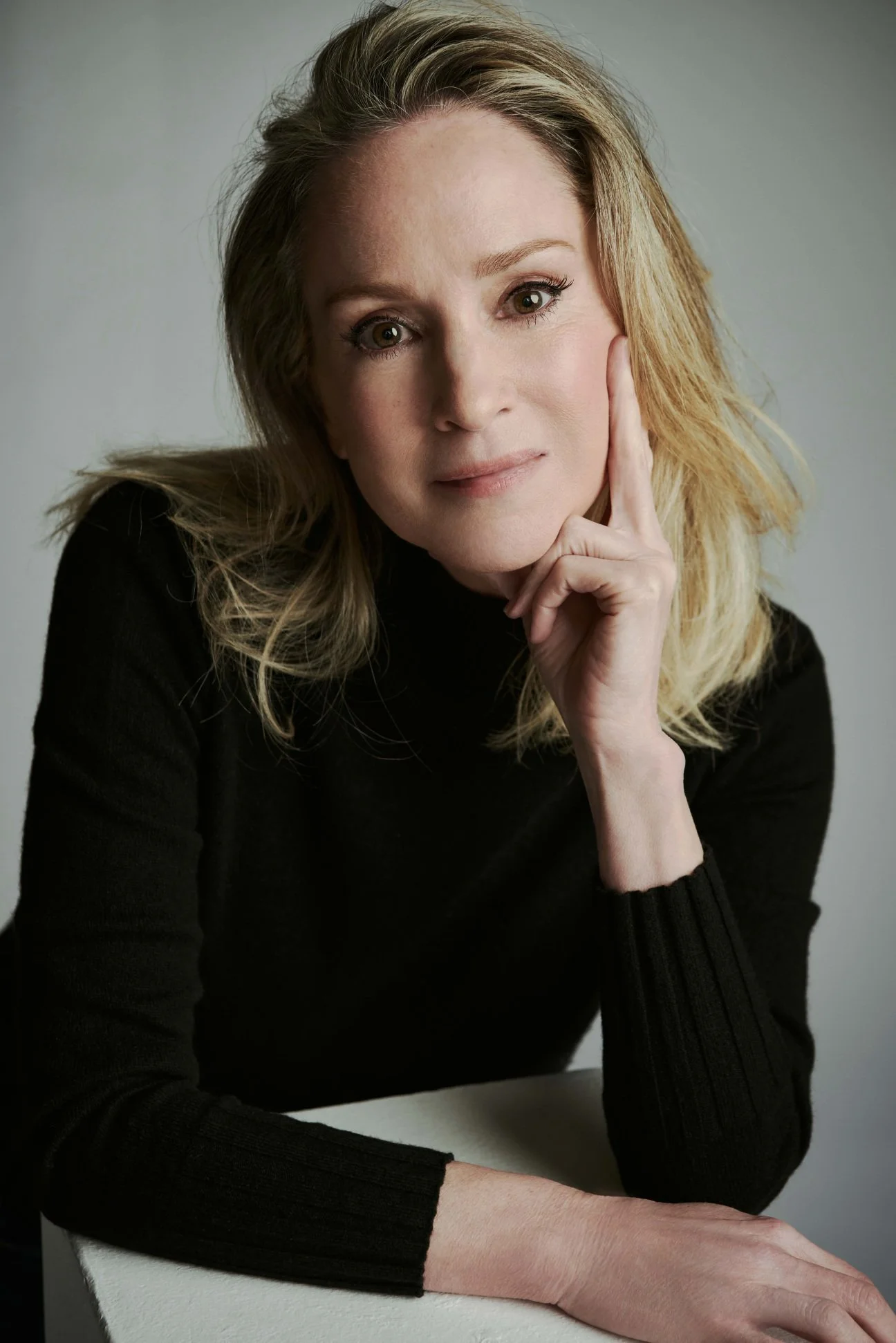
ABOUT CAROLYN
Visionary feels like an understatement when it comes to Carolyn Dailey. As the founder of Creative Entrepreneurs, she has built a global platform devoted to championing creative lives — across design, music, architecture, film, fashion, publishing, and gaming — and even within the walls of 10 Downing Street.
Named one of Creative Review’s Top 50 Creative Leaders and recognized by WIRED as a Top 10 Women Digital Powerbroker, Dailey has long operated at the intersection of culture and commerce. She spent more than two decades as Time Warner’s top executive in Europe, helping expand the global reach. A lifetime member of BAFTA, she continues to shape the creative conversation from boardrooms to broadcast studios.
We sat down with Dailey to discuss her latest book, The Creative Entrepreneur: A Guide to Building a Successful Creative Business from Industry Titans — a timely exploration of what it truly means to build a life (and business) rooted in creativity today. In our conversation, she reflects on cross-disciplinary thinking, the delicate balance between artistry and enterprise, and why the most compelling creative careers rarely fit neatly into one lane.
Congratulations on your book, The Creative Entrepreneur! It highlights some of the most influential creative entrepreneurs today — what inspired you to tell these stories?
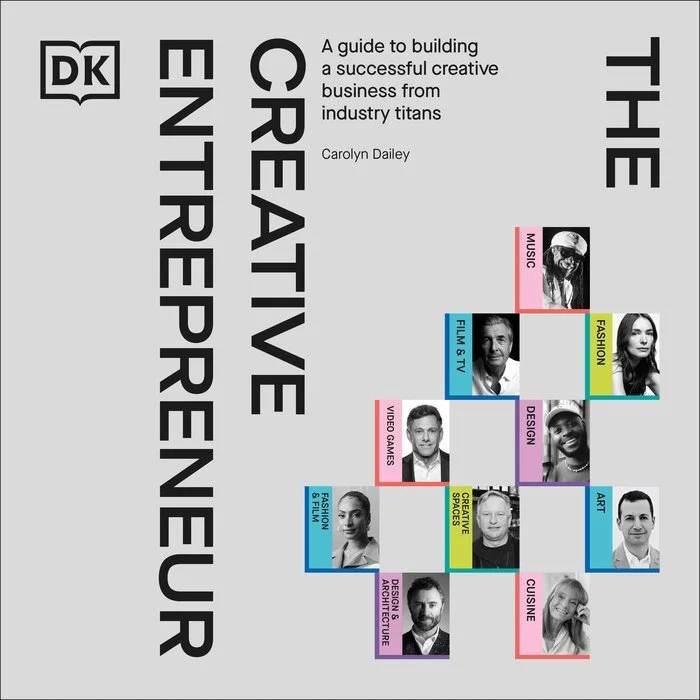
Thank you so much! What inspired me was that I was shocked to discover the gaping hole in support for people building creative businesses and careers, and saw that the most urgent missing piece was role models. I wanted to do something about it by telling these untold stories. This book tells the stories of 10 of the world’s most inspiring creative entrepreneurs, bringing the story of creative entrepreneurship to the world for the first time, as told by the creative role model icons themselves.
I also saw the urgent need to demystify “business speak” and business topics. This book does that as well, alongside the role model stories. Too many people aren’t using their creativity, either as the basis for a business or in their jobs or lives. The collision between creativity and commerce is still taboo—commercial success is a subject that’s been seen as only for business people. For creative people, it’s far too often viewed as shameful, a “sell out”, something to hide. I want to say that if you can see yourself represented, open your mind to professionalising your creativity, and embrace a few basic business skills, success is well within your grasp. This is the democratisation of entrepreneurship for the creative world; it’s not just for tech bros as mainstream conversation would have you believe.
Looking to the future, as AI becomes more ubiquitous, the unique human quality of creativity becomes more and more invaluable, and so we should find ways to strengthen and amplify even more boldly. Everyone talks about entrepreneurs—no one talks about creative entrepreneurs—so this book changes that.
Looking back at your own path, what’s one lesson about blending creativity and business that stands out?
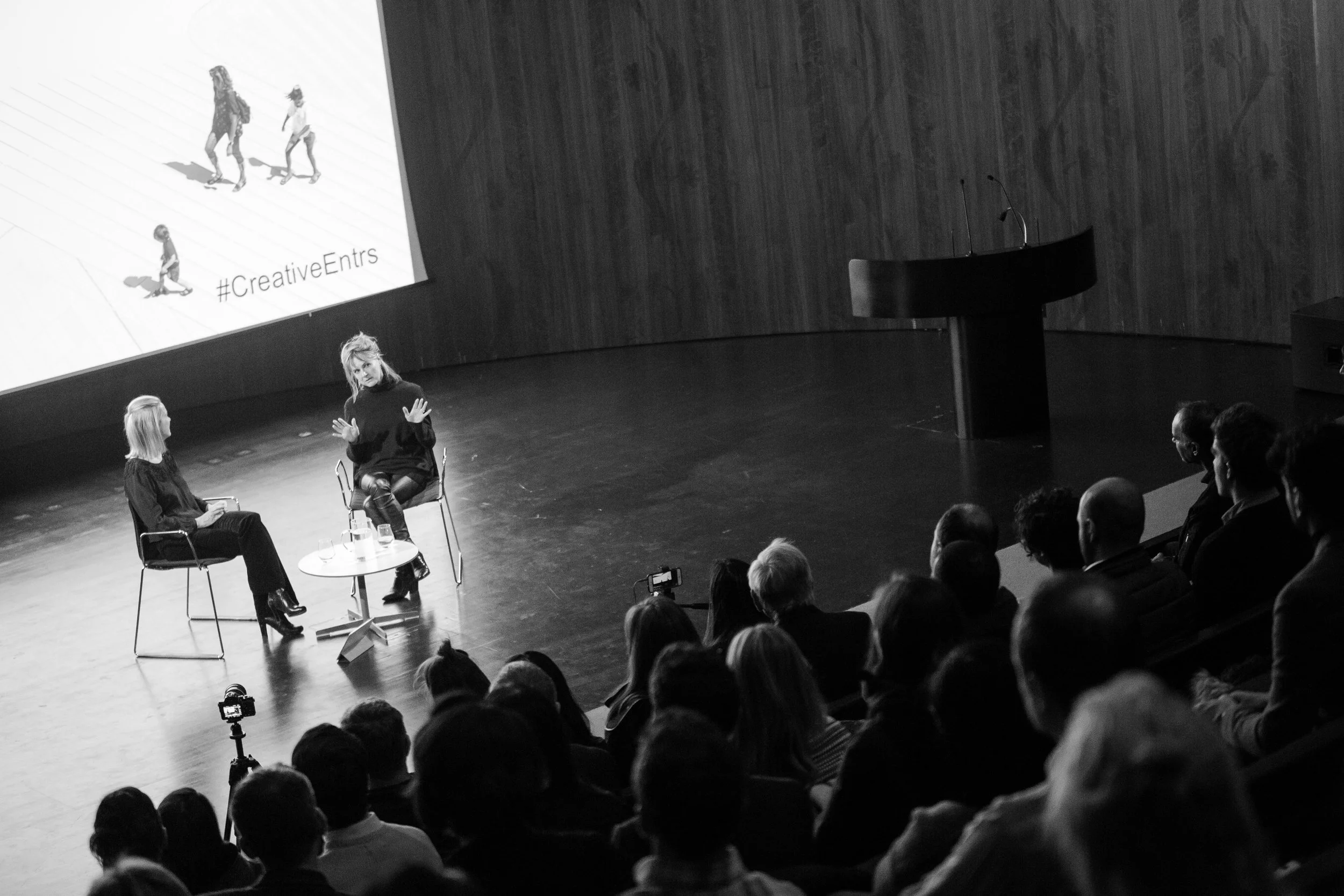
Carolyn with Amanda Levete giving a lecture at the V&A
An early lesson was that creativity and business absolutely need each other. When I started out at CNN in London, that separation wasn’t immediately obvious to me. In news organizations, journalists — essentially the creative side — are intentionally kept apart from the business team. It’s designed that way to protect editorial independence and ensure reporting remains impartial. But when CNN Founder Ted Turner bought movie studios (New Line and Castle Rock), I saw the creativity/business dynamic in living color and flashing lights, as in film, creativity and commerce are completely intertwined at the creative level of production.
Of the many independent producers pitching movie ideas to the studios, most of them struggled for the same reason: they’d focused almost exclusively on their creative idea—great story, great script —and not enough on showing how the film could deliver large audiences and commercial success. The studios were quite unsentimental. It could be a great story, but if they couldn’t see how they were going to make money, the project was doomed. I also saw how bolstering the commercial side could make the film better.
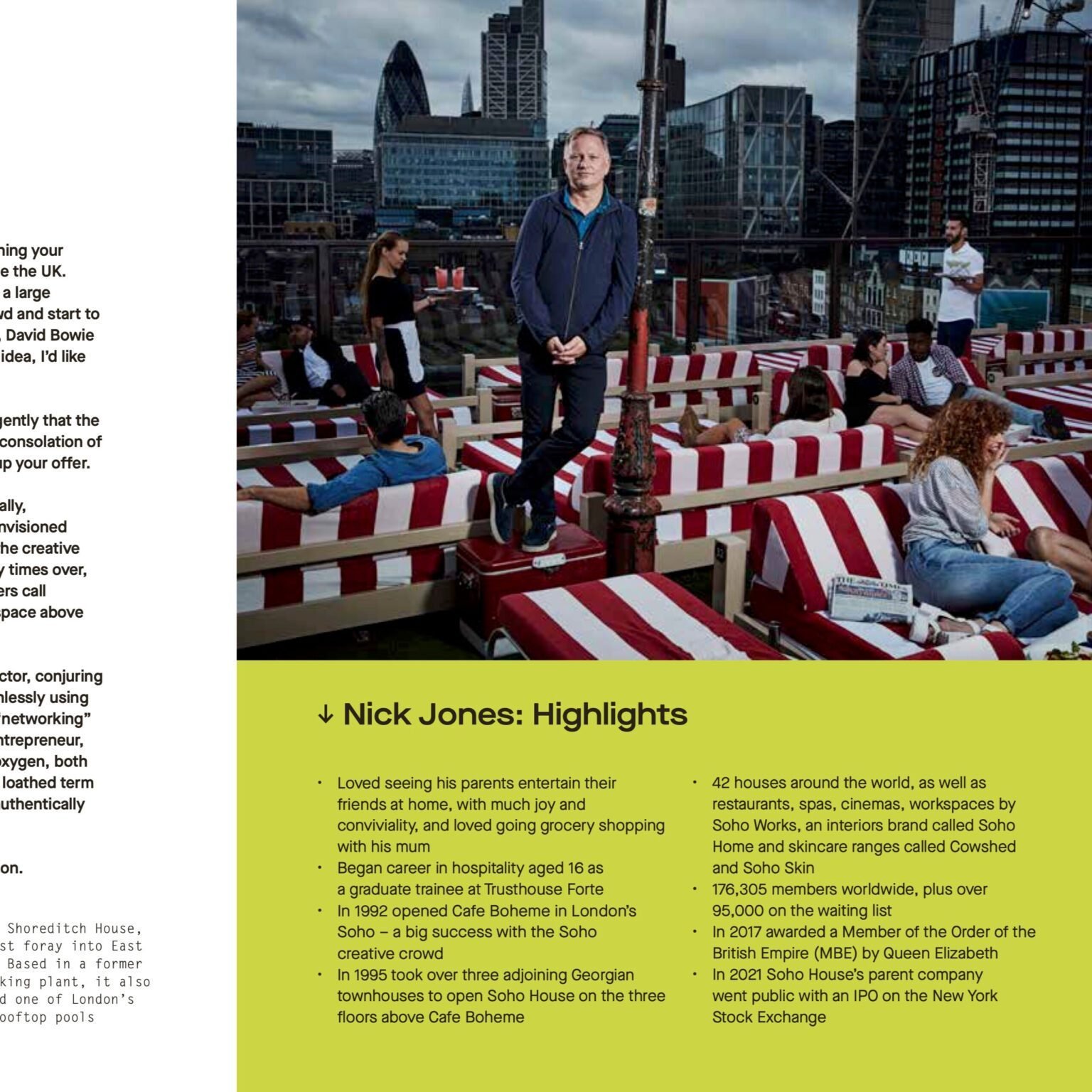
Nick Jones in The Creative Entrepreneur
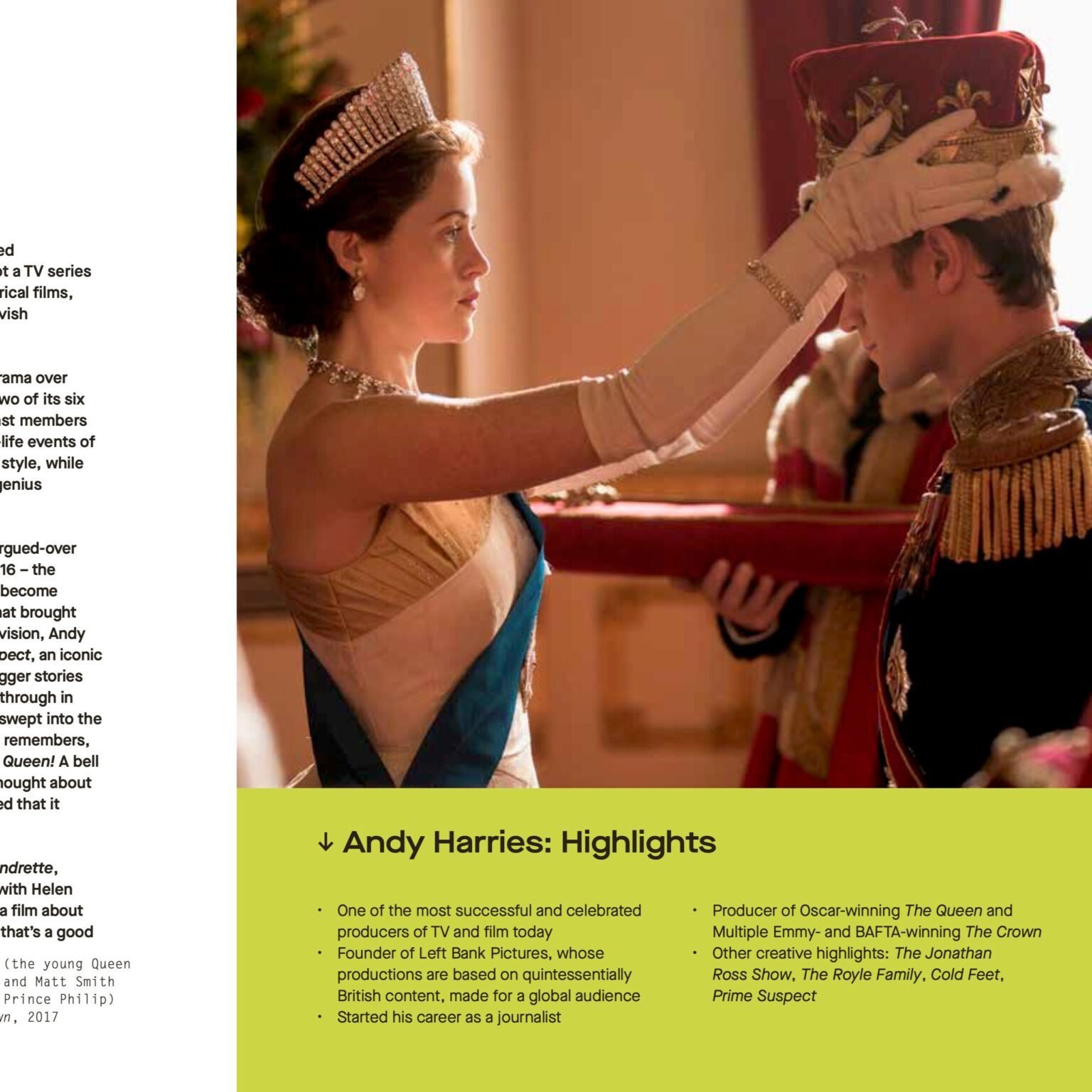
Andy Harries in The Creative Entrepreneur
Out of everyone you interviewed for your book, were there any surprising habits or quirks that all these creatives share?
Yes, I was surprised by how building a community was so important to all of them. It’s not the first thing that comes to mind! We, of course, know and love their creative work, but you don’t necessarily think about community building. All of them have brought people together around their creativity, engaging them, and getting feedback and energy from them, with their communities in turn becoming very devoted. Examples are Nile Rodgers’ concerts, Priya Ahluwalia’s devoted audience contributing used clothes to be upcycled, Ruthie Rogers’ River Cafe community, and Nick Jones’ Soho House community around the world.
For someone just starting out, how do you even begin to find mentors or collaborators who really get your vision?
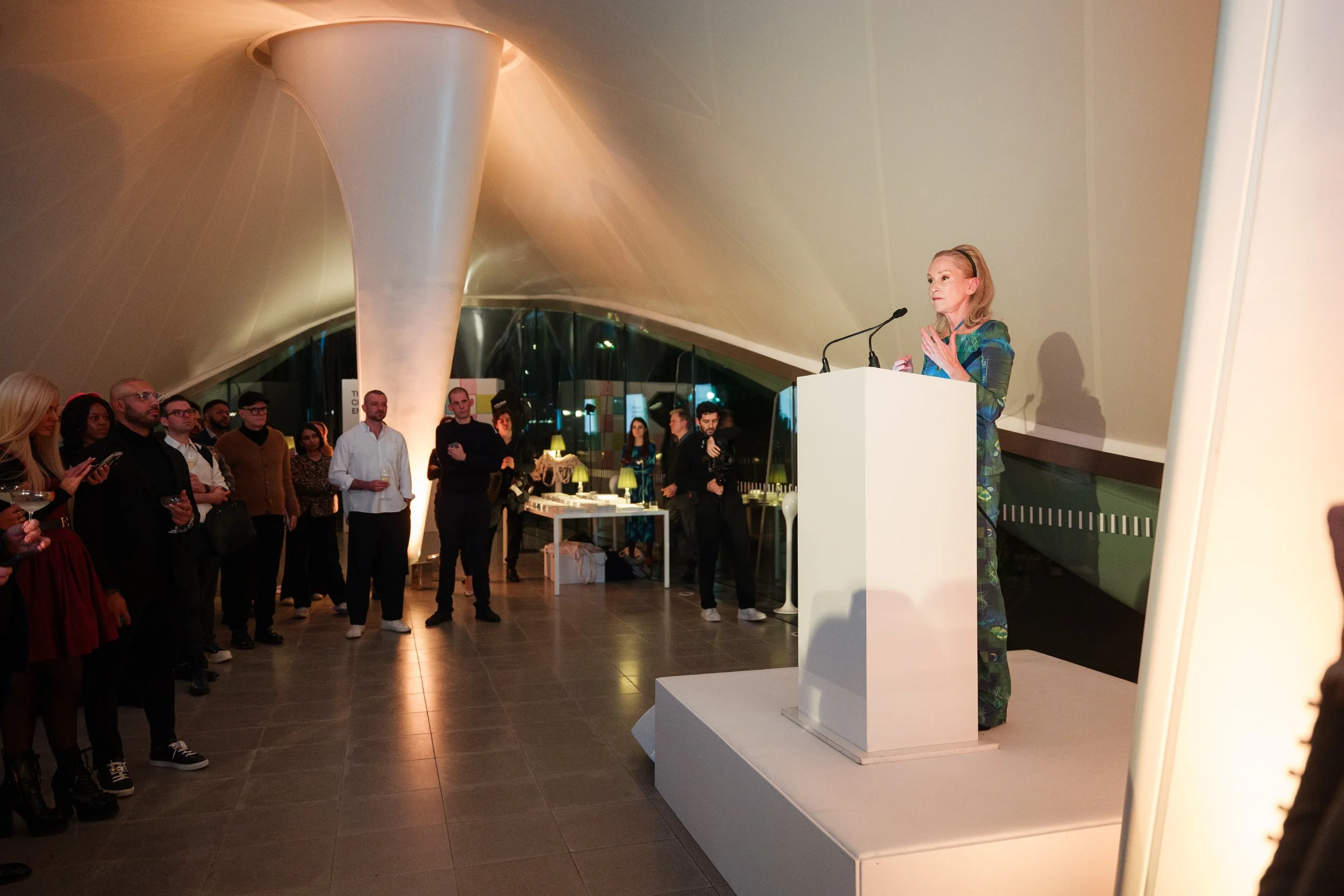
Photo by James D. Kelly
To find mentors and collaborators, you’re essentially building a community around you that can pay off for years to come and give you long-lasting, fantastic relationships. First, research, research, research! Ask yourself who do you want to speak to, and where do they hang out? Follow them on social media, read trade publications and newsletters, attend gatherings, conferences, and meetups. Second, say yes! Get yourself out there. This could be to formal creative events, or it could just be going out to places where you bump into people who are also trying to work on the same dream. Follow up with the contacts you make and cultivate them. If there are a few people whom you think are absolutely key, don’t be afraid to send them a well-crafted email briefly pitching yourself and saying why it would be so unique for you to meet them. The good thing is that chances are extremely high that anyone in the creative sector will understand your creative vision, as there’s such a shared mindset across creative disciplines.
Many of your subjects blur the lines between industries — fashion meets music, design meets gaming. What do you think the secret sauce is to thinking across fields?
It’s actually the opposite of a “secret sauce” that they consciously apply. If anything, it’s instinctive. They don’t sit down and decide to blur industries — they simply can’t help it. Everyone I interviewed naturally moves across creative fields. Yinka Ilori works fluidly between design, art, and fashion. Nile Rodgers spans music, film, and fashion. Matthew Slotover operates across art, magazines, architecture, and even cuisine. Priya Ahluwalia moves between fashion, film, and publishing. What unites them is a genuine curiosity about other creative disciplines. They’re porous to influence. One field naturally feeds another — and that cross-pollination becomes part of how they think.
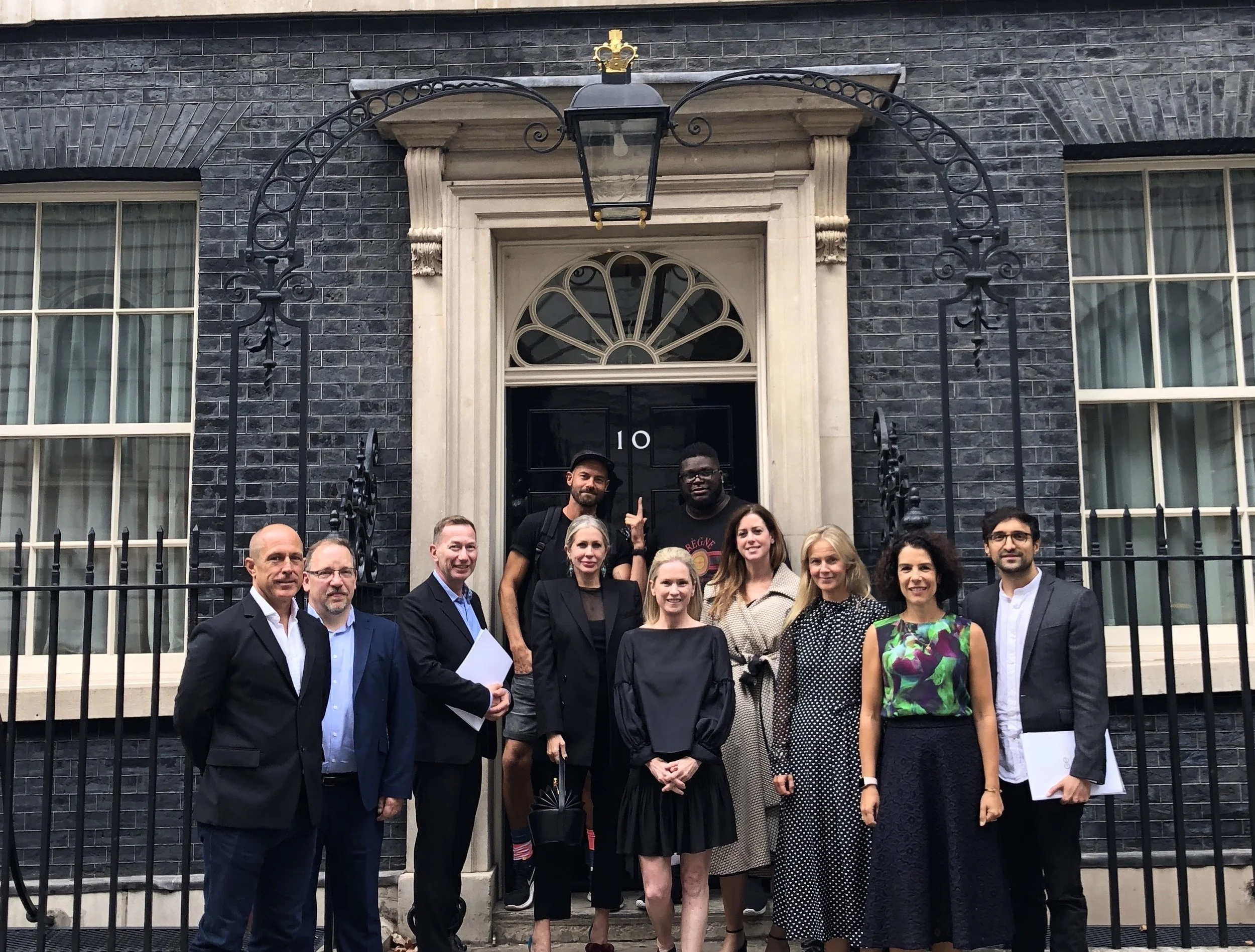
Roundtable at No. 10 Downing Street
Are there small rituals or routines that seem to pop up again and again among these entrepreneurs?
Most of all, remain crystal clear about your own personal skills and ambitions—not what you think is expected by others.
If you could hand one nugget of wisdom to a creative trying to turn their ideas into a career, what would it be?
Be very clear about your idea and research everything obsessively. How does the area you want to go into work, who are the customers, who are the key players, who would be your competitors, what are the key gatherings, how can you see yourself breaking through in that area and becoming financially sustainable?
Take Ten: My Favorite…
Food: Anything at The River Cafe, London; Breakfast at Cafe Flore in Paris - toasted baguette with their delicious butter and honey (defying my non-gluten, no sugar rules) and the best cafe au lait ever
Drink: Mezcal Margarita with jalapeño salt on the rim
Film: Pulp Fiction; I Am Love with Tilda Swinton; I’m always up for a Bond film
Hotel: Sunset Tower, West Hollywood
City: Like choosing my favourite child, can’t possibly! London, New York, LA, Paris, Mexico City, Mumbai
Bedding: The White Company; Matouk Neck Roll Pillow Covers (obscure obsession)
Tea or Coffee: Coffee for sure - a flat white - which is not the same as a cafe latte!
Playlist: Vendredi sur Mer
Weekend Activity: Going to as many art galleries as I can in whatever city I’m in - the most exciting window on the world
Design Book: Love How You Live by Rodman Primack and Rudy Weissenberg